Short answer: If you know the name, use it. "Dear Ms Berger," for a formal first contact, "Hello Ms Berger," once you are in touch, "Hi Anna," when you are on first-name terms. "Dear Sir or Madam" is the fallback when you cannot find a name. In British English and in most emails, a comma follows the greeting. In a formal American business letter, it is a colon. The table shows which email greeting fits when.
Greeting | Formality | When it fits first |
|---|---|---|
Dear Ms Berger, | very formal | first contact, job application, quote |
Dear Sir or Madam, | formal, impersonal | only if you really cannot find a name |
Good morning Ms Berger, | formal, more modern | first contact in B2B, cold outreach |
Dear Anna Berger, | neutral | when you do not know how the person wants to be addressed |
Hello Ms Berger, | neutral | second or third email, ongoing exchange |
Dear Anna, | warm | people you know, clients after a good conversation |
Hi Anna, | relaxed | first-name culture, startups, internal emails |
Hi all, / Hello team, | neutral | several recipients you already know |
Hey Anna, | very relaxed | only if the other person writes like that |
Use these greetings as templates for your emails to customers, candidates or employers. As of: October 2026.
The greeting decides whether your email sounds like it comes from a person or from a mailing list. What goes at the end of the email, the closing line and the sign-off, is covered in two posts of its own: "I look forward to hearing from you": professional email phrases for every situation and How to End an Email: Sign-Offs for Business and Outreach Emails. This one is only about how to start an email.
Three questions before you write the greeting
Three questions almost pick the greeting for you.
- Do you know the name? If not, look for it. Two minutes on the team page or on LinkedIn turn a mass email into a personal one.
- How close are you? A first contact, an ongoing project and years of working together call for three different greetings.
- How does the other person write? The best template is the last email you got from them.
When you know the name
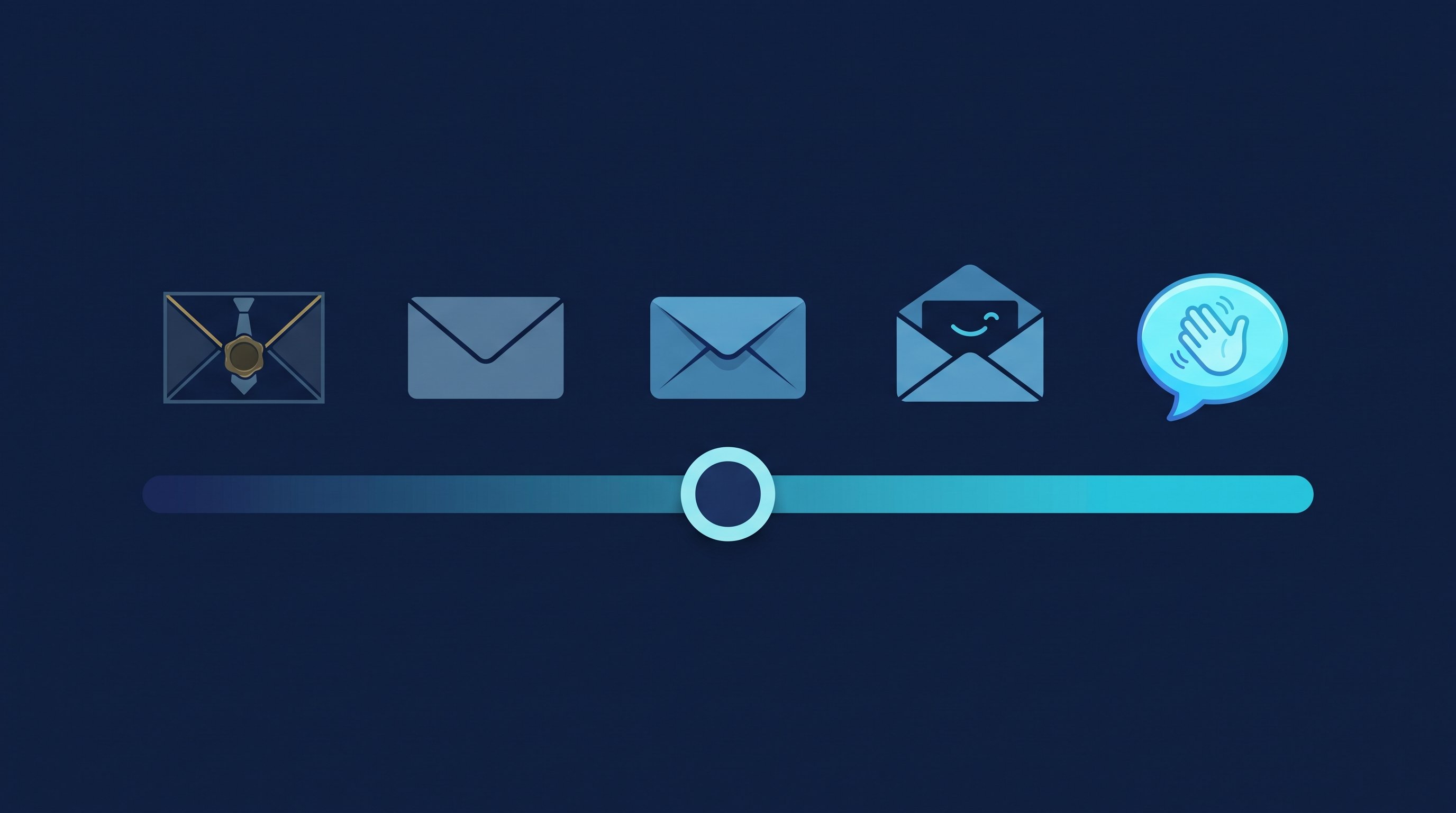
Dear Ms Berger, / Dear Mr Weber, is the most formal greeting still in common use. For job applications, quotes, complaints and first letters to someone you have never met, it is the standard. Use the title and the last name. "Dear Anna" in a first email to a stranger skips a step.
Good morning Ms Berger, is the modern form. It sounds polite without sounding like a form letter. For a first sales email, it is our recommendation. Just keep in mind that your morning may be the recipient's afternoon.
Hello Ms Berger, fits as soon as you are in touch. In a first contact with a managing director it can feel too casual. At startups and agencies it works there too.
Dear Anna, is warm. Use it with people you know, or with clients after a good conversation. To a stranger it feels too familiar.
Hi Anna, belongs to first-name culture. Write the first name only when you are on first-name terms or when the other person signs with their first name.
Hey Anna, is the most casual form. Keep it for people who write to you like that.
When you do not know the name
"Dear Sir or Madam" is correct, and the British Council lists it among the formal email greetings (LearnEnglish, Starting and finishing emails, accessed 8 October 2026). But it tells the recipient: I do not know who you are. In cold outreach, that is the worst possible start. So look for the name first, on the team page, in the imprint or on LinkedIn.
If you find no one, there are better options:
- Hello, without a name. Short, polite, and it does not pretend the email is personal.
- Dear Example Ltd team, if you write to a shared inbox.
- Dear Sales Team, if you know the department but not the person.
- Hi all, if you write to several people you have been in touch with before.
"To whom it may concern" is the most impersonal option of all. Our advice: leave it out of any email that wants a reply.
For job applications without a named contact, use "Dear Sir or Madam" or "Dear Hiring Manager". Asking who handles the role is better anyway.
Titles: Dr. and Professor
Titles belong in the greeting as long as you use last names. Purdue OWL advises using the same name as in the address, including the personal title (Purdue OWL, Writing the Basic Business Letter, accessed 8 October 2026). In an email, that means the title before the last name:
Dear Dr. Schmidt,
Three rules from practice:
- Use the highest title. If someone is Prof. Dr., "Dear Professor Kaminski" is enough.
- Drop the title if the other person does. If the hiring manager signs as "Thomas Weber" without the Dr., write "Hello Mr Weber" in your next email.
- First names drop all titles. "Hi Dr. Anna" does not exist.
Several recipients
With two or three recipients, address each of them by name:
Dear Ms Berger and Mr Weber,
If there is a clear hierarchy, name the more senior person first. From four recipients on, write "Hello all," or "Dear project team,". People in copy are not addressed separately.
Gender-neutral greetings
Not every first name tells you how someone wants to be addressed, and not everyone wants to be addressed as Ms or Mr. Purdue OWL recommends a non-gendered greeting in that case, such as the job title followed by the name, or the full name. Its example is "Dear Chris Harmon:" (Purdue OWL, Writing the Basic Business Letter, accessed 8 October 2026).
For your emails, that means:
- Unsure about the first name? "Dear Kim Berger," is never wrong.
- Several people? "Hello all," or "Dear team," instead of "Dear Sir or Madam".
- Read the other person's signature. If it shows a title or pronouns, use them.
Comma, colon and the first line
This is where the mistakes happen that everyone notices.
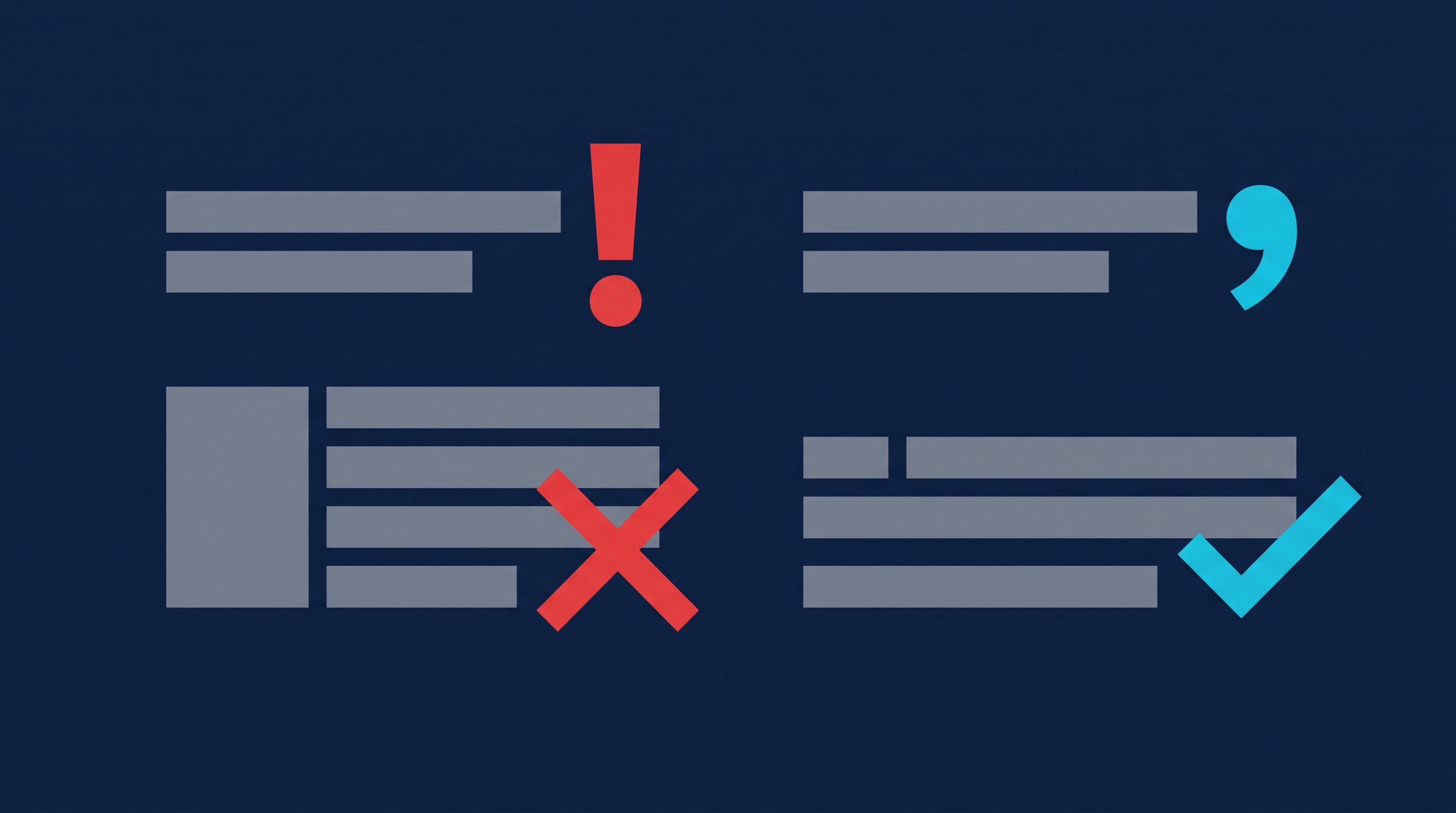
Comma or colon after the greeting. In British English, the greeting is always followed by a comma, as in "Dear Mr Jackson,". In American usage, a personal letter takes a comma, while a business letter takes a colon, as in "Dear Mr. Jackson:" (University of Sussex, Punctuating Letters, accessed 8 October 2026). Purdue OWL also puts a colon after the greeting in a business letter, as in "Dear Lucy:". Emails are less strict. The British Council shows every email greeting with a comma, from "Dear Mr Piper," to "Hi Tim," (LearnEnglish, accessed 8 October 2026). Our recommendation: a comma in emails, a colon in a formal American letter, and the same choice throughout.
The first line starts with a capital letter. In English, the greeting stands on its own line, and the email begins on a new line with a full sentence:
Good morning Ms Berger,
Thank you for the call on Tuesday.
No exclamation mark. "Hi Anna!" reads loud in a business email. Stay with the comma.
No comma between "Hi" and the name. The British Council writes "Hi Tim," and "Good morning Tim," without a comma after the greeting word. That is the usual form in emails.
A blank line after the greeting. It makes the email easier to read on a phone.
Writing to German-speaking contacts
If you write in German to contacts in Germany, Austria or Switzerland, the rules change in a few places.
German greeting | English gloss | When it fits first |
|---|---|---|
Sehr geehrte Frau Berger, | Dear Ms Berger | first contact, job application, quote, public authorities |
Sehr geehrte Damen und Herren, | Dear Sir or Madam | only if you really cannot find a name |
Guten Tag Frau Berger, | Good day Ms Berger | first contact in B2B, cold outreach |
Hallo Frau Berger, | Hello Ms Berger | ongoing exchange, still formal |
Hallo Anna, | Hi Anna | when you use "du" with each other |
The ending changes with the gender. "Sehr geehrte" for women, "Sehr geehrter" for men. A wrong r stands out immediately.
Comma, then lowercase. After the German greeting comes a comma, and the email continues in lowercase. The official spelling rules of the Rat für deutsche Rechtschreibung show it with the example "Sehr geehrte Frau Schröder, entsprechend unserer telefonischen Vereinbarung …" (Amtliches Regelwerk, 2024 edition, § 53 (3), p. 81, accessed 8 October 2026). So the first sentence starts with a small letter, unless the first word is a noun or the formal "Sie":
Guten Tag Frau Berger,
vielen Dank für das Gespräch am Dienstag.
This is the opposite of English, and it is the most common slip when English speakers write in German. An exclamation mark with a capital letter on the next line, as in "Lieber Klaus!", is listed as a rare form (Amtliches Regelwerk 2024, p. 124).
Switzerland and Liechtenstein. There, the greeting usually stands without a punctuation mark, and the next line starts with a capital letter (Amtliches Regelwerk 2024, p. 124). If you write there, use that form.
Comma after "Hallo"? By the comma rules, the name is set off, so strictly "Hallo, Anna,". Duden notes that in letters and emails a short greeting can also stand without this comma (Duden, Anrede mit Hallo, accessed 8 October 2026). "Hallo Anna," is the usual form in emails, and with "Guten Tag Frau Berger," you see both.
Sie or du. In German business life, "Sie" is the standard for a first contact, with exceptions at startups, at agencies and on LinkedIn. Three rules: mirror the other person. The offer to switch to "du" comes from whoever is older, more senior or the customer, so in sales usually from the customer's side. And never switch back: once you have used "du", going back to "Sie" reads as if you were upset. The formal "Sie" and "Ihr" are always capitalised. "du" and "dein" are lowercase, and in letters and emails they can also be capitalised (Amtliches Regelwerk 2024, § 65 and § 66, p. 101). Pick one form and keep it throughout the email.
The Dr. title. As long as you use "Sie", the title stays in the greeting. Duden gives "Sehr geehrte Frau Dr. Schmidt" for a letter (Duden, Doktor, accessed 8 October 2026). In an email, "Guten Tag Frau Dr. Schmidt," is common. The professor title is different: in the greeting it is always written out, as in "Sehr geehrte Frau Professorin Kaminski" or "Sehr geehrter Herr Professor Kaminski", and only abbreviated in the address field of a letter (Duden, Professorinnen und Professoren anschreiben oder anreden, accessed 8 October 2026). With "du", all titles go.
Gender-neutral in German. Duden recommends asking for the preferred form of address where possible. As alternatives it names the greeting with first and last name, such as "Guten Tag, Silke Segler", and neutral group forms such as "Liebe Lehrkräfte" or "Sehr geehrte Anwesende" (Duden, Geschlechtsneutrale Anrede in E-Mails, accessed 8 October 2026).
The greeting and the sign-off belong together
"Dear Ms Berger" and "Cheers" do not go together. As formal as the greeting, so formal the sign-off. Which sign-off matches which greeting is shown in a table of its own in How to End an Email.
Greetings for sales, recruiting and job seekers
The rules are the same everywhere. What changes is the tone the other person expects.
Sales: the first sentence decides
In cold outreach, the recipient decides after the greeting and the first sentence. A name and a reference keep the email open:
Good morning Ms Berger,
In your post about the new warehouse in Erfurt, you write that you will start two shifts from March.
How the whole cold email is built, from the subject line to the follow-up, is shown in Cold Email: Structure, 8 Templates and a Follow-Up Cadence. For the line above it, there are examples in Email subject lines for cold emails.
Recruiting: address candidates like people
Candidates get many messages that sound the same. Their name and a reference to their career are the minimum:
Good morning Ms Schmidt,
Your move into financial controlling at Example Inc. is a close match for a role we are filling right now.
In the tech and startup scene, first names are common in recruiting too. Check first how the candidate writes on their profile.
Job seekers: one step more formal
For a job application, "Dear Ms Berger," stays the reliable choice, even if the job ad sounds casual. If you write to a hiring manager directly, without applying to a posted role, "Good morning Mr Weber," fits. Typical mistakes when job hunting are covered in 10 common LinkedIn mistakes when job hunting.
The same in a LinkedIn message
On LinkedIn, your message sits in a chat, not in a letter. "Dear Ms Berger" looks like a form there. The usual greeting is "Hello" or "Hi" with the name, with the first name or with title and last name, depending on the tone.
On a connection request, every character counts: the personal note can be at most 200 characters, and without Premium you can add a personalised note to up to three connection requests per month (LinkedIn Help, Personalize invitations to connect, accessed 8 October 2026). A long greeting eats space your reason for connecting needs.
Examples, each with the start of the email and the LinkedIn version:
Connection note, sales
Email:
Good morning Mr Weber,
Your talk at LogiMAT on order picking has stayed with me.
LinkedIn:
Hello Mr Weber, your talk at LogiMAT on order picking has stayed with me. I would like to connect.
First message after the request is accepted
Hi Thomas, thanks for connecting! What is keeping your purchasing team busiest right now?
Use the first name here only if Thomas uses first names himself. Otherwise stay with "Hello Mr Weber".
Recruiter to candidate
Email:
Good morning Ms Schmidt,
Your move into financial controlling is a good fit for a role we are filling.
LinkedIn:
Hello Ms Schmidt, your move into financial controlling is a good fit for a role we are filling. Would you have 20 minutes next week?
Job seeker to hiring manager
Email:
Dear Dr. Weber,
I read your post about the new office in Leipzig.
LinkedIn:
Hello Dr. Weber, I read your post about the Leipzig office. Are you looking for support in financial controlling there?
The rule: "Hello" instead of "Dear", and the title and last name stay until the other person switches to first names. More wording is in LinkedIn Connection Message: 25 Templates by Goal and Thanks for Connecting on LinkedIn: 15 Messages & Replies That Work. Recruiters find their own templates in LinkedIn Recruiting Messages: 10 Templates for Every Stage. When to move from the chat to email is shown in LinkedIn and email outreach.
With CompLeadly: the right greeting for every contact
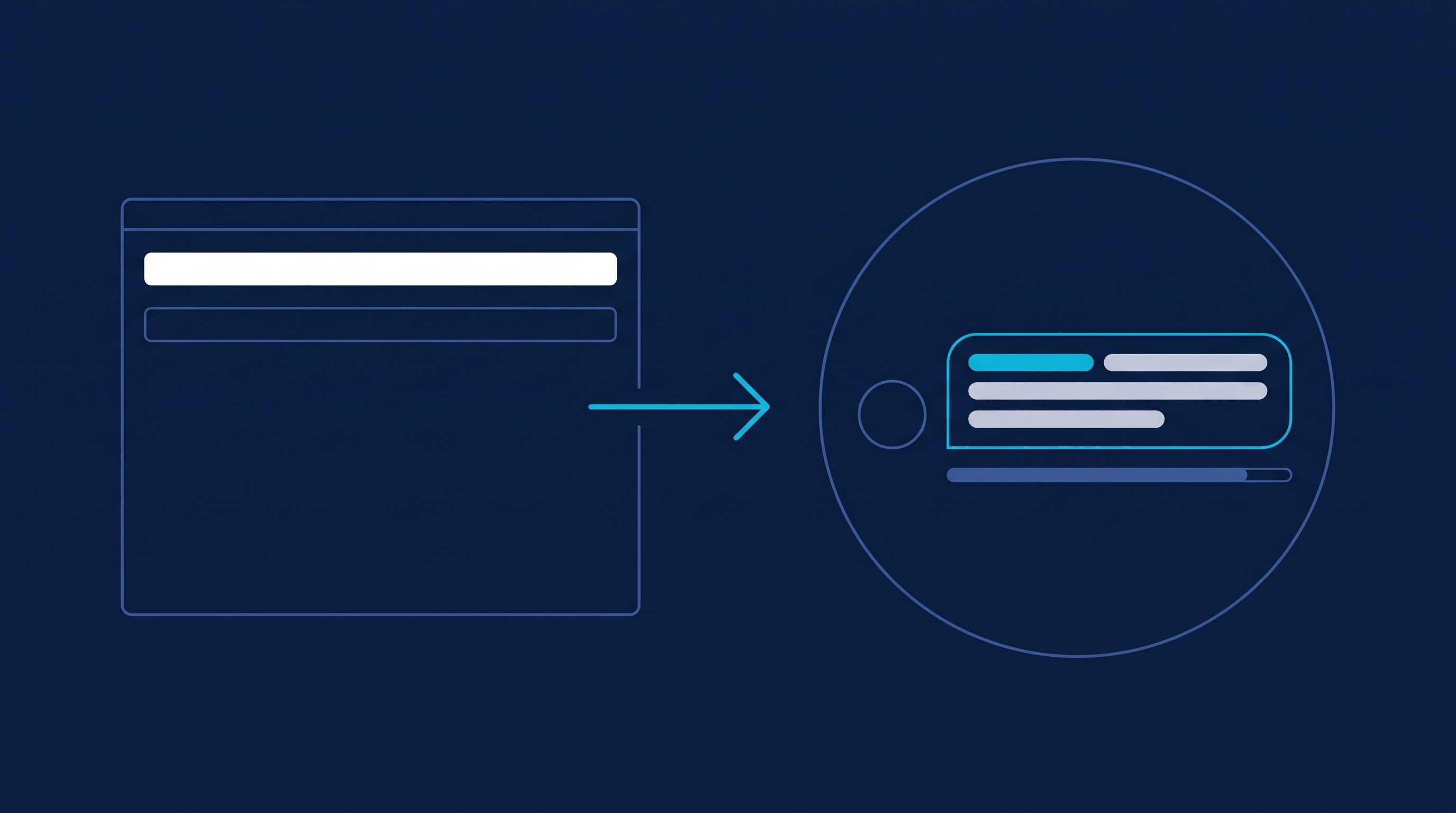
If you write to many contacts, you do not type the greeting from scratch every time. In your CompLeadly messages, you insert placeholders: first name, last name and the doctoral title, which appears as "Dr." if the contact has one. In the paid plans, a placeholder for the salutation is added: "Mr." or "Mrs." For German contacts, Premium Plus reads from earlier chats whether you use the formal "Sie" or the informal "du" with each other and inserts the right form.
A tip for German templates: the salutation placeholder inserts only "Herr" or "Frau". With "Sehr geehrte", the ending would have to change as well. So use "Hallo Frau Berger" or "Guten Tag Herr Weber" as your pattern, because these greetings need no ending.
Your target audience comes from a people search, a Sales Navigator search or, with your own Recruiter licence, a Recruiter search. The opener goes out after your connection request has been accepted, and follow-ups stop as soon as the contact replies. You write the text yourself. Plans and prices are on the pricing page, and the workflow for recruiters is shown in the recruiting use case.
Before you hit send, check whether your message is too long or too formal with the free Message Check.
Checklist for your next email greeting
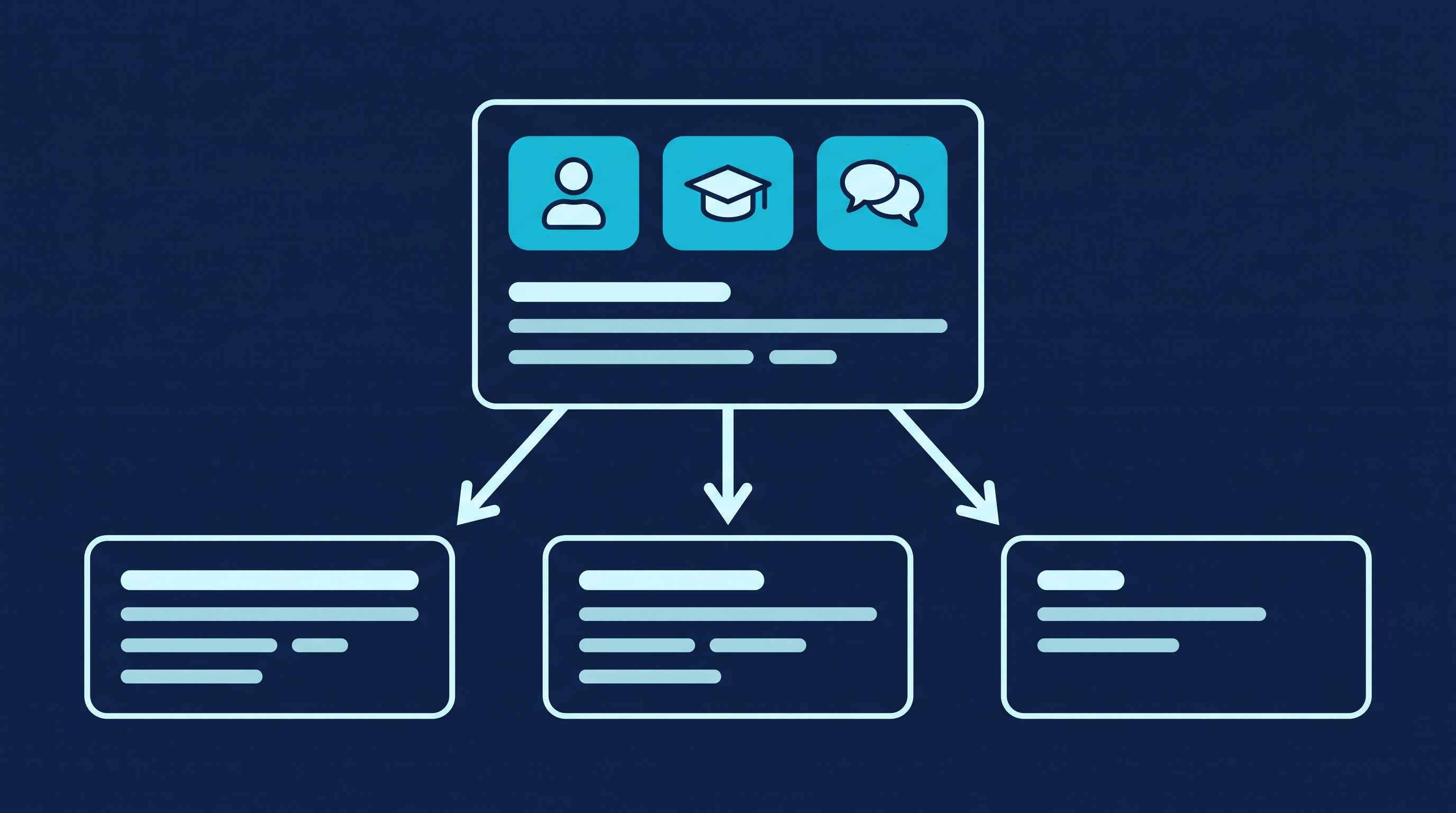
- Did you look for the name before writing "Dear Sir or Madam"?
- Did you use the title and last name for a first contact?
- Comma in the email, colon only in a formal American letter, and the same choice throughout?
- Does the first line after the greeting start a new sentence?
- Does the greeting match the tone of the other person and the sign-off at the end?
- Writing in German? Comma after the greeting, then lowercase. To Switzerland: no comma, then a capital letter.
- On LinkedIn: "Hello" instead of "Dear"?
FAQ: email greetings
How do you start a business email?
For a first contact, with "Dear Ms Berger," or, more modern, "Good morning Ms Berger,". In an ongoing exchange, "Hello Ms Berger," fits, and once you are on first-name terms "Hi Anna,". After the greeting comes a comma, and the email starts on a new line.
What can I write instead of "Dear Sir or Madam"?
Ideally the name of the person in charge, which you find on the team page, in the imprint or on LinkedIn. If there is none, "Hello,", "Dear Example Ltd team," or "Hi all," for people you already know work better.
Do you use a comma or a colon after an email greeting?
In emails, a comma, as in "Hi Tim," or "Dear Mr Piper,". In a formal American business letter, a colon follows the greeting, as in "Dear Mr. Jackson:". British English uses a comma in both cases. Whichever you choose, keep it consistent.
How do I address someone with a doctorate?
With the title before the last name: "Dear Dr. Schmidt," or "Hello Dr. Weber,". If someone has several titles, use the highest one. In German, the professor title is written out in the greeting, as in "Sehr geehrte Frau Professorin Kaminski,".
How do I write a gender-neutral email greeting?
With first and last name, for example "Dear Kim Berger,". For groups, neutral forms such as "Dear team," or "Hello all," work. Where possible, ask how the person wants to be addressed, or check their signature for a title or pronouns.
How do I greet someone on LinkedIn?
With "Hello" or "Hi" and the name, so "Hello Mr Weber," or "Hi Thomas,", depending on whether you use last names or first names. "Dear" feels stiff in a chat. The note on a connection request is limited to 200 characters, so keep the greeting short.